

In my last post I introduced the transinterpreter alongside the pemintech. Here is the summary, so this post stands on its own: a transinterpreter is a linguist who works as both a translator and an interpreter — at the same time, as one integrated professional offer. This is not a translator who occasionally helps out with a phone call. It is a professional trained in both crafts: written translation, consecutive interpreting, and simultaneous interpreting, including the hybrid mode known as sim-consec, and able to deliver in person, over the phone (OPI), by video remote (VRI), and through web-based platforms. Clients increasingly buy outcomes, not categories. The professional who can cover both sides of an assignment is simply more valuable than two half-available specialists — and harder to replace. That post answered the what. This one answers the how — because the question I hear most often is not “what is a transinterpreter?” but “what do I actually have to learn?”
The twentieth century asked you to choose. The twenty-first asks you to combine.
For most of the twentieth century the line was clean: you were a translator or an interpreter. Separate training, separate associations, separate careers. The twenty-first century erased that line. The same client, the same week, now produces documents to translate, machine output to post-edit, and meetings to interpret. The transinterpreter is the professional built for that mixture: written translation, consecutive interpreting, and simultaneous interpreting, delivered in person, over the phone (OPI), by video remote (VRI), and through web-based platforms.
But there is a second combination, and it is the one that decides who thrives: language pair plus technology skills. In the digital age, technology is not a bonus skill. It is another language, and it is a requirement, not an option.
Where humans sit on the automation scale
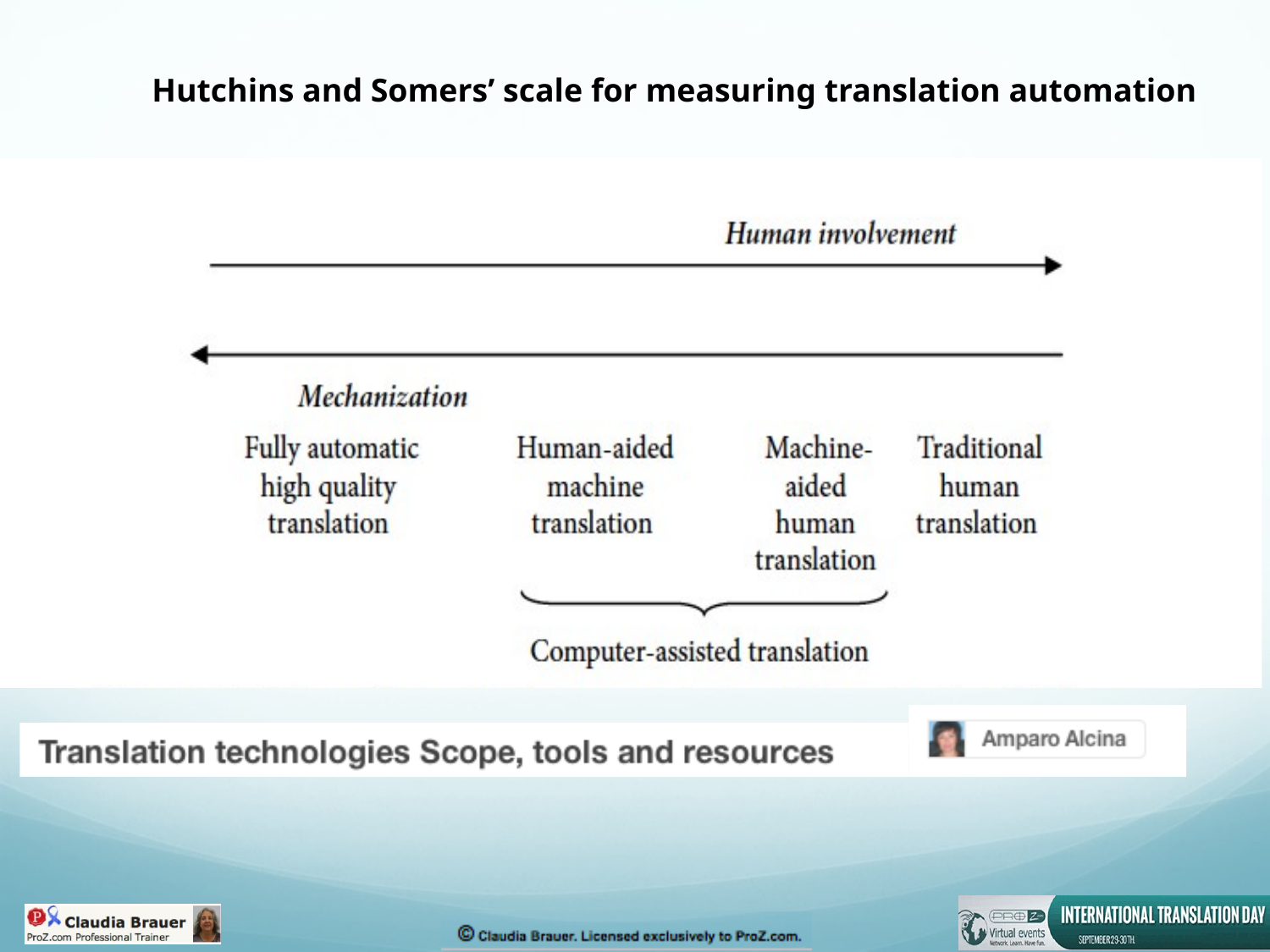
It helps to see the scale plainly. Translation automation runs from traditional human translation, through machine-aided human translation (the translator’s workstation: translation memory, terminology databases, quality checks), to human-aided machine translation, and finally to fully automatic high-quality translation. The demand for language services is exploding and the available resources cannot keep up — which is exactly why the middle of that scale is where the work lives now.
That middle has a name you should know: post-editing of machine translation (PEMT). Light post-editing produces output that is understandable, acceptable quality. Full post-editing produces output accurate and equal to human translation in all aspects. Knowing which level a job asks for — and being able to deliver it — is a marketable skill in itself, and it sits naturally next to interpreting, because both are judgment under time pressure.
One workday, many merged services
Look at what a transinterpreter’s week actually contains, and the old categories dissolve. Transcreation. Localization. Website translation. Translation review. Live chat room translation and interpreting. Live captioning. Sight translation. Quick email turnover. Multilingual subtitling. These used to be separate job descriptions. Now they arrive as one assignment stream, and the professional who can move between text and speech without changing hats is the one the client keeps.
Interpreting itself has moved. In person is still there, but the growth is in OPI, VRI, and web-based interpreting, and in cloud-based interpreting: consecutive and simultaneous interpreting in virtual and hybrid conferences, and simultaneous interpreting of instant human communication on customer support and service platforms. The shift from over-the-phone and video remote work to cloud interpreting is, as Eric Bauwelinck put it, essentially disruptive. Add the hybrid mode known as sim-consec, voice-to-text, subtitling, voiceover and dubbing, and you see the shape of the work: spoken and written language, live and recorded, on platforms.
What to build next — specific guidance for the future
Start from your clients, not from a catalogue. List the platforms and modes your current clients already use, and learn those first — that is where the next assignment comes from. Then add one thing at a time, in the direction that completes your bridge. If you translate only, add consecutive interpreting by phone and video (OPI and VRI): it is the fastest way to become the professional who covers both sides. If you interpret only, add light post-editing of machine translation: it turns the machine output your clients already receive into billable work, and teaches you to judge quality levels — understandable and acceptable versus accurate and equal to human translation — which is a skill clients pay for on its own.
Build the pair that compounds: a translation memory and a terminology database for your top language pair and domain, before you buy anything else. They are the compound interest of this trade — every job makes the next one faster and more consistent. Then add one merged service: sight translation is the quickest bridge between written and spoken work, and live captioning turns up in the same assignments as translation. Both make you harder to replace, because they sit exactly where text and speech meet.
Finally, protect the human edge now that most drafts arrive already AI-written. Machines will produce more words; the value moves to the judgment calls they cannot make: register, cultural context, terminology decisions, live interaction, and the quality verdict itself. Set yourself a weekly doing quota — one real interpreted session on a platform, one post-edited job — because it is in the doing that you master a skill. Position yourself as the professional who decides, not just the one who produces. That is the future the transinterpreter is built for.
How the work flows now
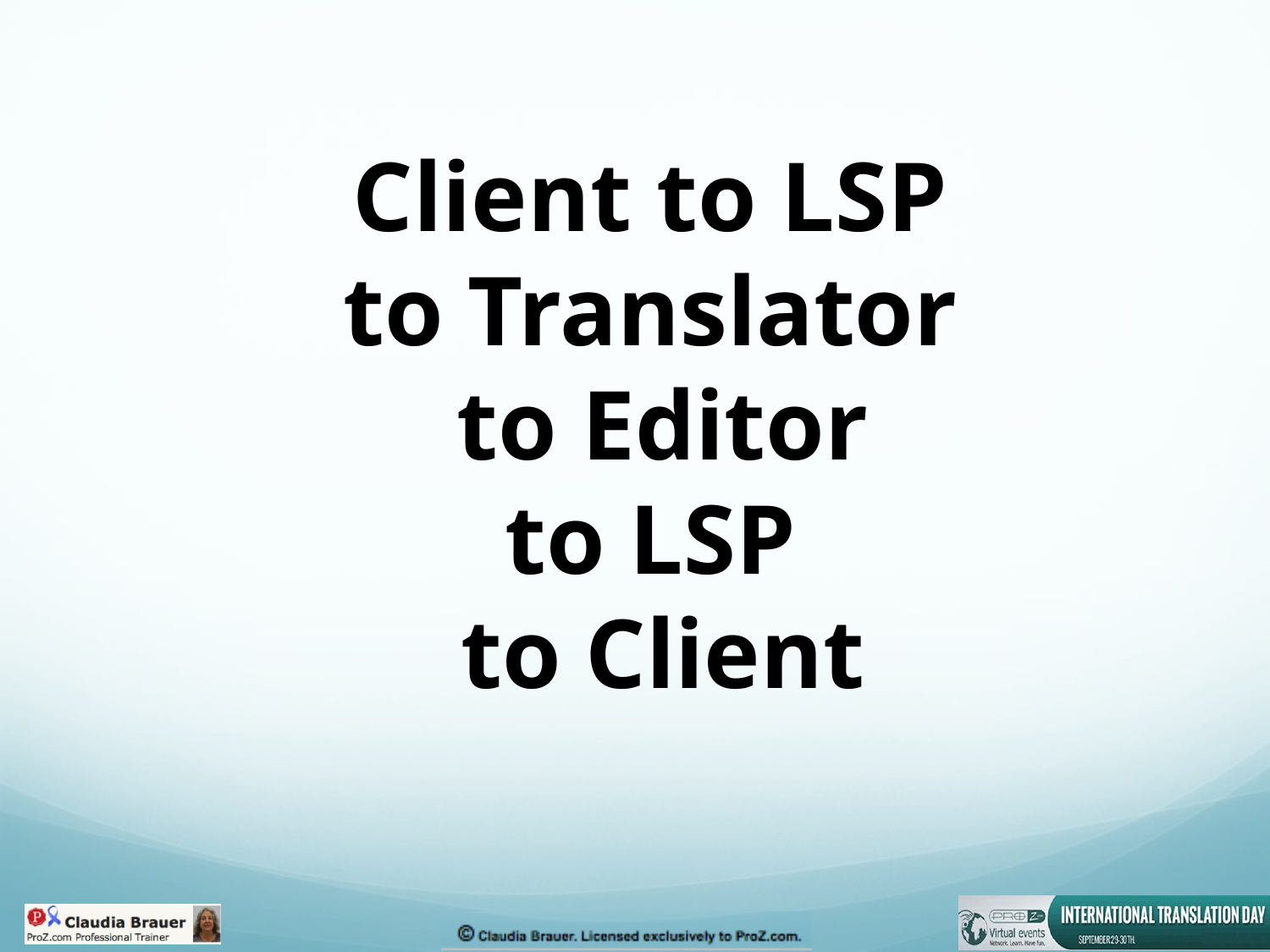
Follow a typical job today and you see how fast the flow has changed — even in just the last few months. A client sends work to a language service provider, and the first draft is no longer written by a human: most work now arrives already drafted by LLMs or AI, ready for post-editing. The human’s job starts where the machine’s stops: post-edit the AI draft to the level the job asks for — light, for understandable and acceptable, or full, for accurate and equal to human translation — then language quality assurance, then back through the provider to the client, managed on a translation management server, with a project manager coordinating, terminology managed as a shared asset, and language engineering behind the scenes. Even if you work independently, you work inside that flow: client portals, shared memories, controlled terminology, tracked quality — except now the raw material is AI output. The transinterpreter who understands the flow can step into any part of it — post-edit the AI-drafted document in the morning, interpret the meeting after lunch, keep the terminology consistent throughout — while the specialist who knows only one station waits for work to come to them.
The toolbox — and the permission not to know it all
Here is the part that stops most people: the toolbox looks endless. CAT tools. Translation memory. Terminology management. Alignment tools. Concordances. Full-text search. Quality checking. Client access portals. Web and software localization tools. Cloud-based translation environments. Subtitling software. The deck I teach from names the classic examples — Trados, Wordfast, Memsource, XTM, Aegisub — and the list keeps growing.
So here is the message of the whole presentation, and the one I want you to keep: you do not need to know it all. You need to develop real skills in a few. Skill acquisition is not about what you know; it is about what you do. It is in the doing that you master a skill, and the more you do, the better you get at doing it. Pick the tools your actual clients use, learn them by using them on real work, and let the rest wait. There is an abundance of resources, if you know where and how to find them — and that finding skill is itself part of being tech-savvy.
They have imposed far-reaching adaptations in the way the profession is conceived and performed. The transinterpreter is that adaptation, made deliberate: two crafts, one professional, fluent in the technology that carries both.
Start with one tool, one mode, one merged service you do not offer yet. Do it. Then do it again. That is how a tech-savvy transinterpreter is made — not by collecting certificates, but by practice.
If you want the full map — the definitions, the skill sets, and the workday described above, taught step by step — that is what my ProZ course “New Professions for 2025: Transinterpreters and Pemintechs” is for. It covers both new profiles in detail: the transinterpreter and the pemintech, the post-editor of machine and AI translation who is also an interpreter and technologically fluent. You can find it here: proz.com/next/learn/course/354. The knowledge in this post is yours to keep, course or no course. The course is there when you want the guided version.

